So you've decided your business needs a website. Smart move, but the first question that pops up is almost always the same one: "How much is this actually going to cost me?"
The honest answer is: it depends. A simple one-page site for a small shop in Lagos costs nothing like a full e-commerce platform for a growing retail brand. But "it depends" isn't useful when you're trying to budget, so let's break down every cost component you'll actually encounter, with realistic Naira figures for the Nigerian market.
The Five Cost Components of Every Website
Every website, no matter how simple or complex, is built from the same five cost categories. Understanding each one helps you see exactly where your money goes, and where you can save.
1. Domain Name Registration
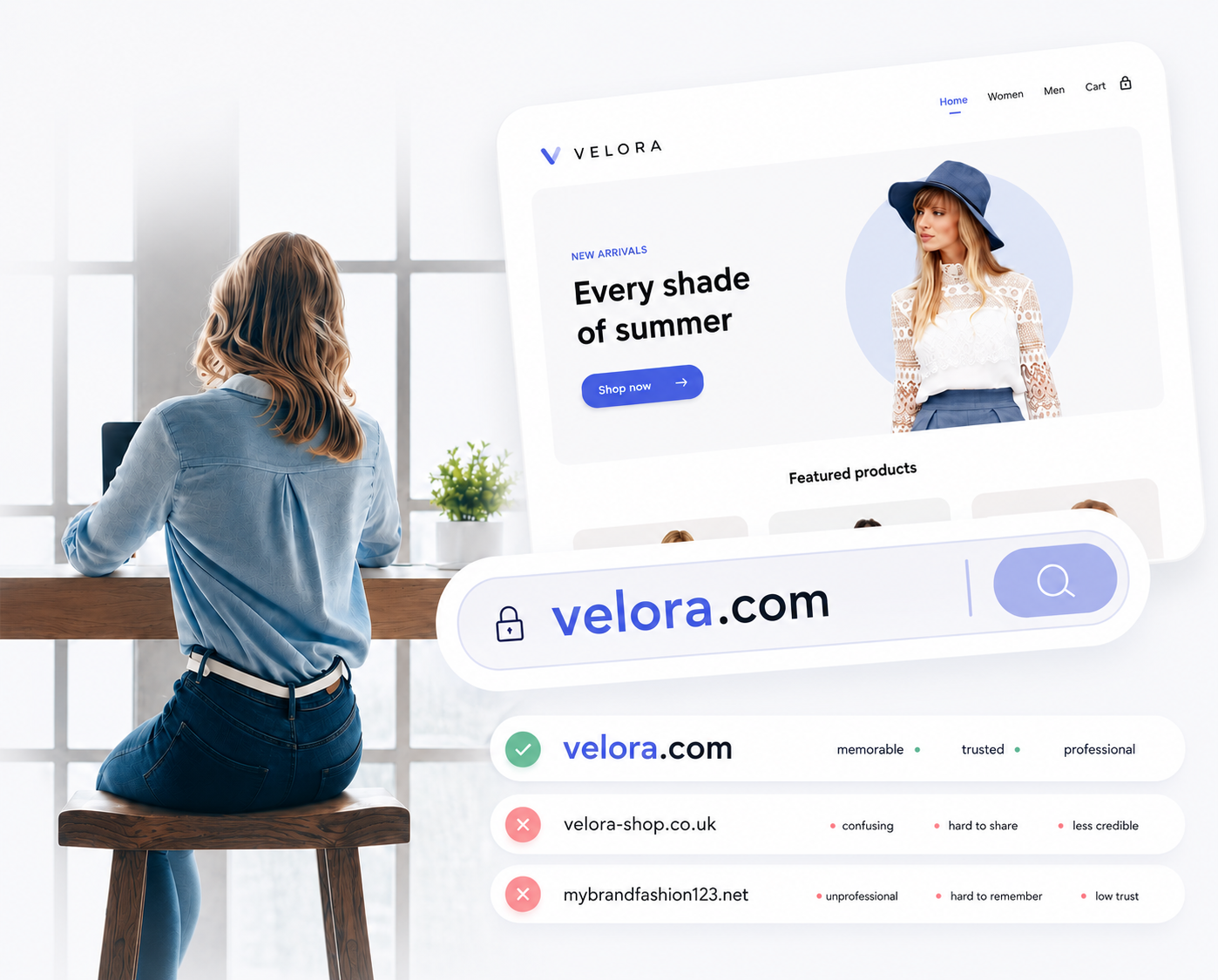
Your domain is your website's address (like onenetservers.net). In Nigeria, you have a choice between international extensions (.com, .net, .org) and local ones (.com.ng, .ng, .name.ng).
.com domains: Typically ₦5,000 - ₦9,000 per year
.com.ng / .ng domains: Often ₦3,000 - ₦6,000 per year, and they signal local trust to Nigerian customers
Premium or short domains: Can range from ₦20,000 to several hundred thousand Naira depending on demand
Tip: Register your domain for at least 2 years if your budget allows, it's a small SEO trust signal and saves you the hassle of annual renewal reminders.
2. Web Hosting
This is where your website's files actually live. Hosting costs vary enormously based on the type of hosting and resources you need.
Shared hosting: ₦15,000 - ₦60,000 per year, ideal for small business sites, blogs, and portfolios
VPS (Virtual Private Server) hosting: ₦80,000 - ₦400,000+ per year, better for growing sites, e-commerce, or anything with traffic spikes
Dedicated servers: ₦500,000+ per year, for large-scale platforms with heavy traffic
(If you're unsure which tier fits your needs, our hosting plans at OneNet Servers are built specifically around what Nigerian businesses actually use, not inflated international pricing.)
3. Website Design and Development
This is usually the biggest line item, and it varies the most.
Website Type
Typical Cost Range
Template-based 1–5 page site (DIY or freelancer)
₦30,000 – ₦150,000
Custom-designed business website
₦200,000 – ₦800,000
E-commerce store (Shopify, WooCommerce, custom)
₦400,000 – ₦2,000,000+
Enterprise web application
₦2,000,000+
A few things that push this cost up: the number of pages, custom design vs. templates, e-commerce functionality, payment gateway integration, and whether you need ongoing developer support.
4. SSL Certificate
An SSL certificate encrypts data between your visitors and your server, and Google actively penalizes sites without one in search rankings. Many hosting providers now include a free SSL (Let's Encrypt) with hosting plans. Paid SSL certificates with extended validation can run ₦15,000–₦100,000+ per year, but for most small business sites, a free SSL is perfectly sufficient.
5. Maintenance and Updates
This is the cost businesses forget to budget for — and it's the one that bites them later. Ongoing maintenance includes:
Software and plugin updates
Security monitoring
Content updates
Backups
Bug fixes
Budget roughly ₦10,000–₦50,000 per month if you're outsourcing this, or factor in your own time if you're handling it in-house.
So, What's the Real Total?
For a typical small Nigerian business — a clean, professional 5-page website with hosting, domain, and basic SSL — expect to budget somewhere between ₦150,000 and ₦600,000 for the first year, with renewal costs (hosting + domain) dropping to roughly ₦20,000–₦70,000 in subsequent years.
If you're building an online store, double or triple that initial budget depending on your product catalog size and payment integration needs.
How to Keep Costs Down Without Cutting Corners
Start with shared hosting and upgrade later. Most new websites don't need VPS power on day one. Scale your hosting as your traffic grows.
Choose a hosting provider with local data centers or strong Nigerian network routing. This reduces latency for your visitors and avoids overpaying for international hosting that wasn't built with Nigerian users in mind.
Avoid over-customizing on day one. Launch with a clean, functional design and iterate based on real user feedback rather than guessing what you need upfront.
Bundle your domain and hosting. Many providers offer discounts when you register your domain and hosting plan together.
Final Thoughts
Building a website in Nigeria doesn't have to be expensive, but it does require knowing where your money is actually going. Domain and hosting are predictable, recurring costs — design is where flexibility (and savings) lives. Get the fundamentals right, and you'll have a website that grows with your business instead of one you outgrow in six months.
Looking for hosting that's priced for Nigerian businesses without compromising on speed or support? Explore OneNet Servers' hosting plans and get your site live in minutes.